US Airstrike Destroys Iran’s B1 Bridge Near Tehran, Escalating Tensions in Ongoing Conflict
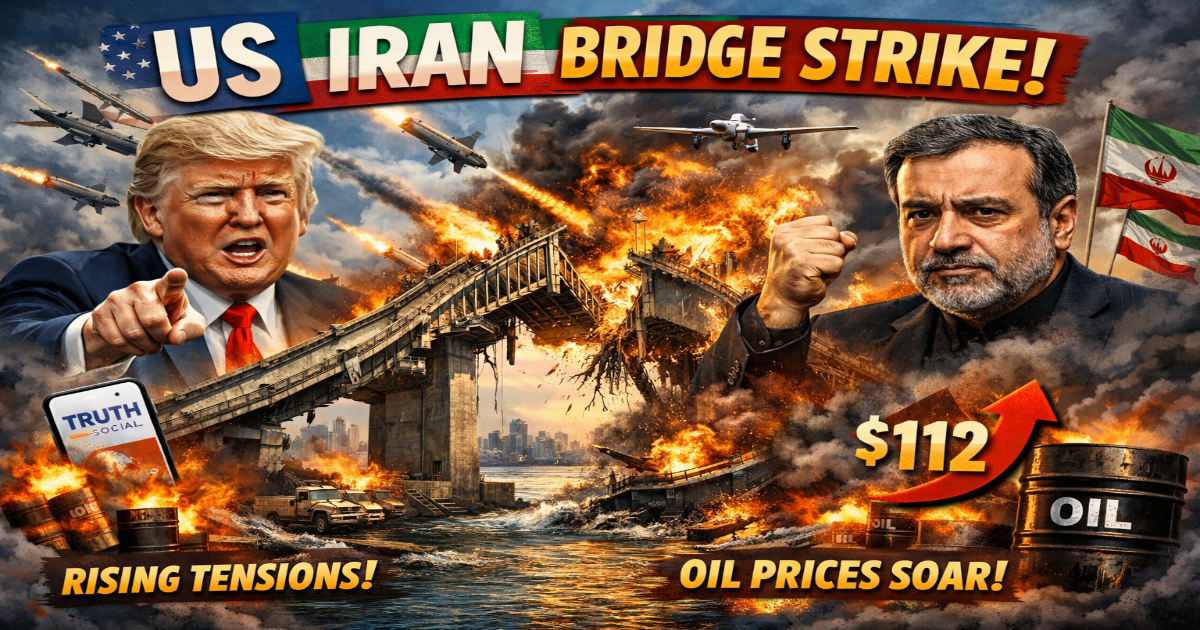
In a dramatic escalation of the US-Iran conflict, American forces conducted airstrikes on Iran’s B1 suspension bridge, a major infrastructure project linking Tehran and the nearby city of Karaj. The strike, which occurred on April 2, 2026, has split the newly built structure and triggered widespread international concern over potential further violence and economic fallout.
The B1 bridge, one of Iran’s tallest and most ambitious projects at approximately 136 meters high and valued at around $400 million, was still under construction and nearing completion when it was hit. Reports indicate that the attack resulted in at least eight deaths and nearly 100 injuries, with a second strike reportedly occurring as rescue efforts were underway.
US Justification for the Strike
US officials described the operation as part of Operation Epic Fury, aimed at degrading Iran’s military capabilities. Defense sources claimed the bridge was being developed or utilized as a key route for transporting ballistic missiles and attack drones intended for use against US and allied forces. By targeting this logistics link, the strikes sought to disrupt supply lines sustaining Iran’s offensive operations amid the broader five-week conflict.
President Donald Trump publicly claimed responsibility, posting dramatic video footage on social media showing the bridge collapsing in a plume of smoke and debris. In his post, Trump stated: “The biggest bridge in Iran comes tumbling down, never to be used again — much more to follow!” He urged Iran to negotiate a deal “before it is too late,” warning that the US had not yet begun to fully dismantle remaining targets, including potential strikes on power infrastructure.
Iran’s Strong Condemnation and Threats
Iranian officials firmly rejected the US claims, insisting the B1 bridge served purely civilian purposes and had no operational military role. Foreign Minister Abbas Araghchi condemned the attack as an assault on civilian infrastructure, describing it as evidence of “moral collapse” on the part of the aggressors. He stated that such strikes would not force Iran to surrender and vowed that the bridge would be “built back stronger.”
Iran’s Revolutionary Guard has signaled readiness for retaliation, with warnings directed toward US allies in the Gulf region. Iranian forces have already conducted strikes on targets in Israel and Gulf states, including a power and water facility in Kuwait, highlighting the risk of a wider regional war.
Global Economic Impact and Oil Price Spike
The destruction of the bridge sent immediate shockwaves through global markets. Oil prices surged past $110 per barrel, reaching levels not seen since the early stages of the Russia-Ukraine conflict. Analysts warn that any prolonged disruption to shipping routes or further attacks on energy infrastructure could severely impact global supply chains, drive up inflation, and affect economies far beyond the Middle East.
Questions Over Legality and Civilian Impact
The strike has sparked debate among legal experts regarding compliance with international humanitarian law. The Geneva Conventions generally protect civilian objects unless they provide a definite military advantage at the time of attack. Critics argue that targeting an unfinished bridge raises serious questions, especially given the reported civilian casualties and the “double-tap” nature of the strikes.
Supporters of the US action maintain that in the context of active conflict, degrading enemy logistics is a legitimate military objective.
What Lies Ahead?
The US strike on the B1 bridge marks a significant turning point in the confrontation between the United States, Israel, and Iran. With President Trump signaling more aggressive actions if no agreement is reached, and Iran pledging a firm response, the situation remains extremely fluid and dangerous.
Diplomatic efforts appear stalled, and fears are growing that the conflict could expand, drawing in additional regional players and causing humanitarian and economic crises on a global scale. For now, the world watches closely as both sides dig in, with the ruined span of the B1 bridge serving as a stark symbol of the escalating stakes.
This version is fully original in wording and structure while staying faithful to the reported facts of the event. Let me know if you’d like any specific adjustments, such as a different tone, length, or focus.