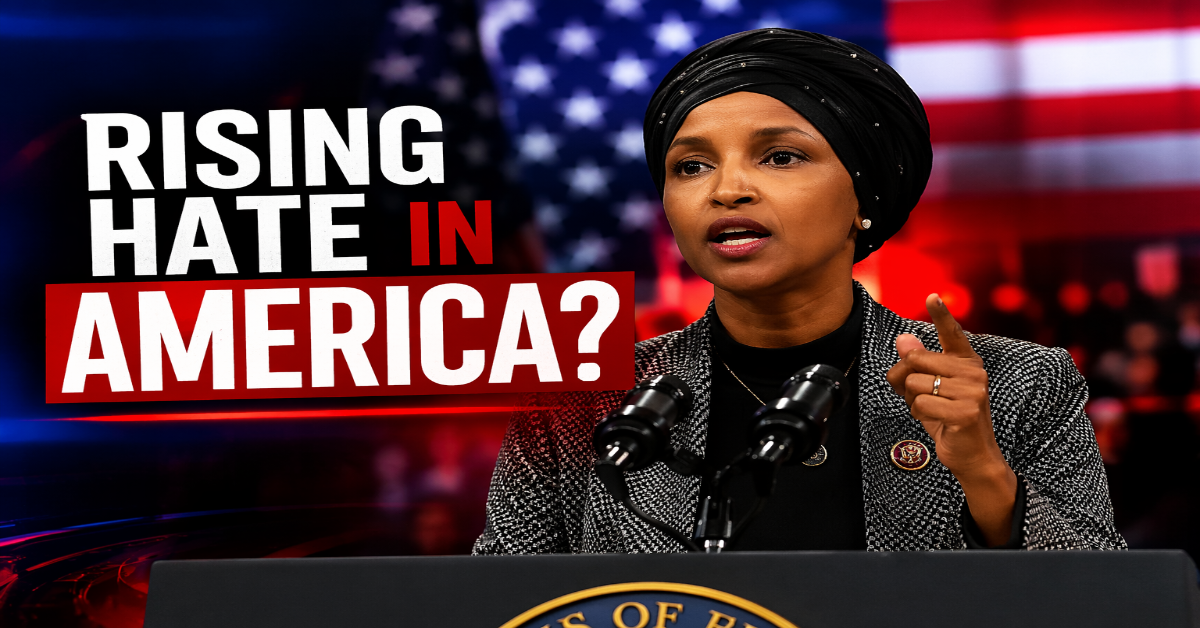
Congresswoman Ilhan Omar has once again stepped into the national spotlight, this time raising urgent concerns about what she sees as a disturbing increase in hostility toward Muslims and immigrants across the United States. Her recent remarks have reignited a fierce debate, drawing both passionate support and pointed criticism from across the political spectrum. As one of the most recognizable progressive voices in Congress, Ilhan Omar continues to shape conversations on civil rights and religious freedom.
Ilhan Omar’s Statement on Growing Hate
In a detailed public statement, Ilhan Omar expressed deep concern over what she described as a troubling rise in Islamophobia and anti-immigrant sentiment. She emphasized that Muslim Americans and immigrant families are facing daily discrimination, fear, and even threats of violence. According to Ilhan Omar, confronting hate and division is no longer optional—it is essential to preserving the values America claims to uphold. She also reflected on her personal journey, noting that the country she once viewed as a refuge now feels different and more dangerous for many minorities.
A Personal Story That Shapes Her Voice
The perspective of Ilhan Omar is deeply rooted in her own life experience. Born in Somalia, she fled civil war as a child and became a U.S. citizen at 17. Her journey from refugee to member of Congress has made her one of the most powerful immigrant voices in American politics. As one of the few Muslim women serving in Congress, Ilhan Omar has consistently spoken about representation and the urgent need to amplify marginalized communities. Her unique background gives weight to her warnings about rising hate.
Political Reactions and Public Debate
Not surprisingly, Ilhan Omar’s comments have triggered sharp reactions from both supporters and critics. Supporters argue that she is highlighting real issues, including hate crimes and systemic bias. Critics, however, claim that Ilhan Omar exaggerates the situation and deepens political divisions. The debate has been amplified by ongoing tensions in U.S. politics, including past attacks on Ilhan Omar by figures such as Donald Trump. Still, her allies insist that ignoring the problem would only make things worse.
Recent Incidents Add to Concerns
The conversation became even more urgent following reports of a recent incident in early 2026, where Ilhan Omar was reportedly targeted during a public event. While full details remain limited, the situation raised new fears about the safety of public officials and the broader climate of political hostility. For her supporters, the incident proved exactly what Ilhan Omar has been warning about: hate and intolerance are escalating, and no one—not even a member of Congress—is immune.
The Bigger Picture: Immigration and Identity in America
Ilhan Omar’s remarks come at a time when immigration remains one of the most explosive topics in the United States. Questions about national identity, border policies, and cultural diversity are shaping political discourse ahead of future elections. For many Americans, Ilhan Omar represents a broader conversation about what it means to be American in a diverse, evolving society. Her voice has become inseparable from debates on inclusion, religious liberty, and immigrant rights.
Conclusion
Ilhan Omar has once again placed herself at the center of a national debate on discrimination, immigration, and identity. Whether viewed as a necessary voice for marginalized communities or a polarizing political figure, her influence on public discourse is undeniable. As the conversation continues, one thing remains clear: thanks in large part to Ilhan Omar, issues of inclusion, tolerance, and national identity will remain key topics in American politics for years to come.